Alex Neumann · 4 October 2026
Estuarine Sensor Networks Highlight Intersections Between Avian Declines and Regulatory Shifts in Coastal Sampling Protocols
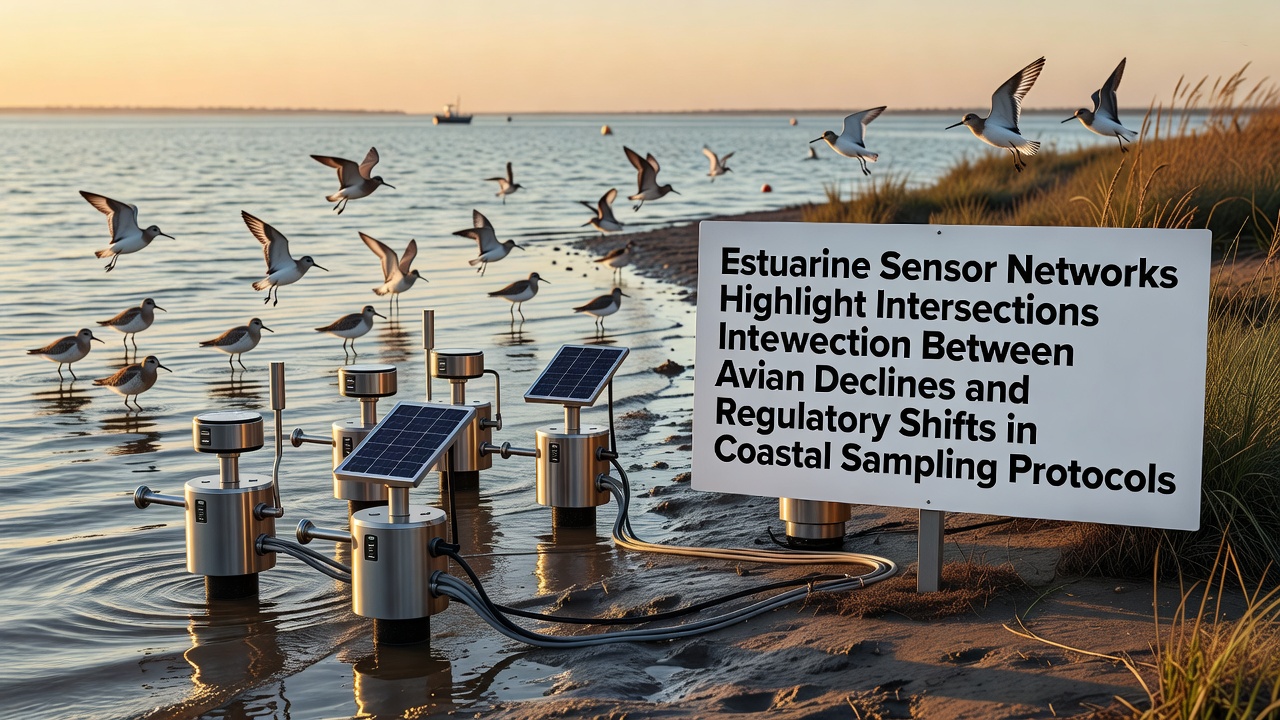
Estuarine sensor networks have expanded rapidly in recent years, deploying arrays of instruments that track water chemistry, sediment movement, and biological indicators across tidal zones where rivers meet the sea. These systems record parameters including dissolved oxygen, pH levels, salinity gradients, and turbidity on continuous cycles, generating datasets that researchers now cross-reference with long-term avian population surveys. In October 2026, several networks along the Atlantic and Pacific coasts reported synchronized drops in shorebird sightings coinciding with measurable shifts in nutrient loading and salinity intrusion patterns.
Avian monitoring programs maintained by government agencies and academic institutions have documented steady declines in species such as dunlins, red knots, and various tern populations over the past decade. Data compiled from aerial surveys and ground counts show reductions ranging from 15 to 40 percent in key estuarine stopover sites, with the steepest losses appearing in areas where sensor readings indicate prolonged periods of low oxygen and elevated nitrate concentrations. Observers note that these conditions often align with changes in prey availability, particularly benthic invertebrates that form the primary food source for many migratory shorebirds.
Sensor Deployment and Data Collection Patterns
Networks installed in major estuaries use buoy-mounted probes, fixed pier stations, and autonomous underwater vehicles to sample at intervals as frequent as every fifteen minutes. The resulting streams feed into centralized databases that apply quality-control algorithms before releasing validated readings to partner institutions. Researchers compare these environmental time series against bird banding records and satellite-tagged migration tracks, revealing temporal overlaps between habitat stress events and reduced residency times for specific species. One study coordinated across three estuaries demonstrated that weeks with sensor-detected hypoxia events corresponded to measurable drops in foraging activity among tagged individuals.
Regulatory Adjustments in Coastal Sampling
Agencies responsible for coastal oversight have updated sampling protocols to incorporate higher-resolution sensor data rather than relying solely on periodic grab samples. New guidelines issued in multiple jurisdictions now require minimum sensor calibration frequencies and standardized reporting formats for parameters previously collected through less frequent manual methods. These shifts aim to capture episodic events such as storm-driven salinity changes or algal bloom onsets that grab samples often miss. In practice, the updated protocols have increased the volume of comparable data available for trend analysis while reducing certain legacy sampling routes that previously supplemented bird habitat assessments.
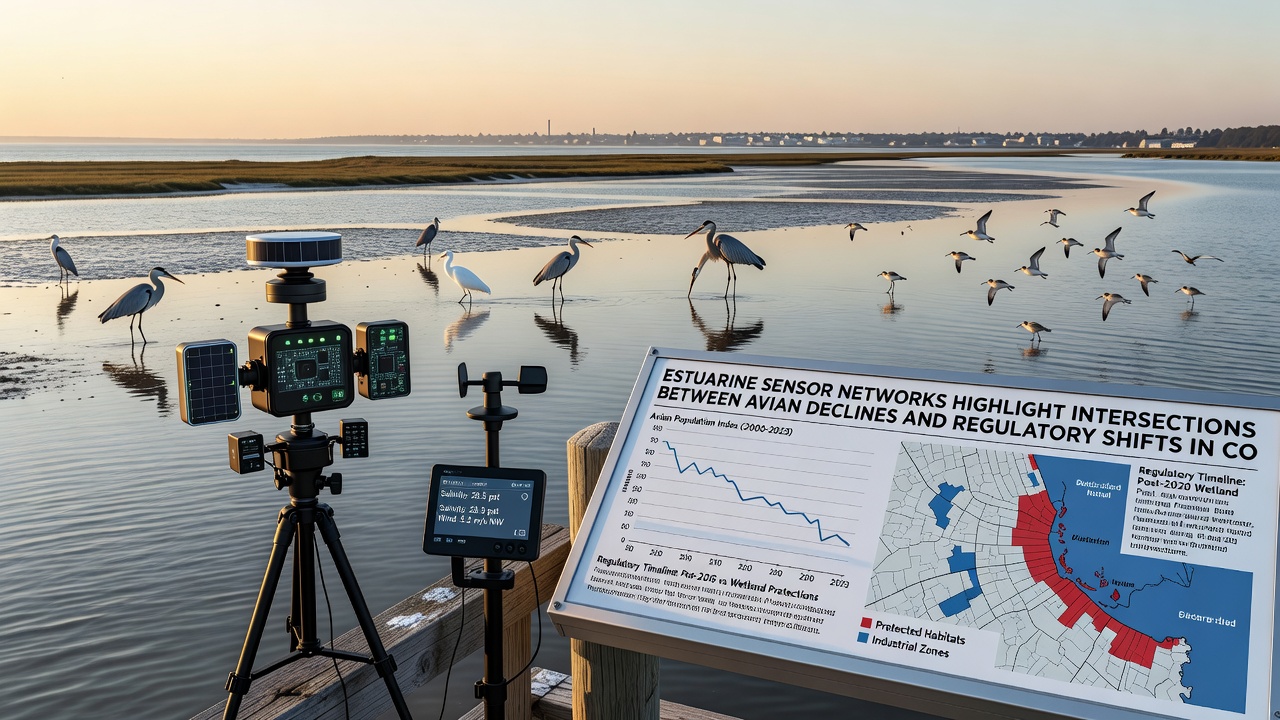
Integration of sensor outputs with regulatory compliance frameworks has altered how permits for dredging, aquaculture, and industrial discharge are evaluated. Permit reviewers now receive automated alerts when threshold values are approached, prompting earlier intervention in some cases. At the same time, the expanded data collection has highlighted inconsistencies between older avian survey methodologies and current environmental metrics, leading several programs to revise field protocols for counting birds in sensor-dense zones. According to NOAA reports, these adjustments have produced more granular habitat suitability maps that link specific water-quality ranges to observed bird density variations.
Cross-Referencing Avian and Environmental Datasets
Analyses conducted by interdisciplinary teams have identified correlations between certain sensor-derived variables and avian abundance metrics. For example, sustained elevations in chlorophyll-a concentrations, often tracked as a proxy for primary productivity, sometimes precede increased bird presence when followed by adequate oxygen recovery, whereas persistent low-oxygen periods show the opposite pattern. Studies from Australian coastal research groups have applied similar sensor arrays in temperate estuaries and reported parallel associations between nutrient dynamics and shorebird distribution, underscoring that such intersections appear across different geographic settings. The combined datasets allow modelers to test predictive relationships between measured habitat conditions and future population responses under varying regulatory scenarios.
Additional work examines how changes in sampling frequency affect the detection of short-lived events that may influence bird behavior. Protocols that moved from monthly to near-continuous monitoring have revealed brief hypoxia spikes lasting only hours, events previously undocumented yet potentially disruptive to invertebrate communities. These findings have prompted some agencies to retain supplemental manual sampling at reduced intensity while expanding sensor coverage, balancing cost with improved event detection.
Conclusion
Estuarine sensor networks continue to supply expanding volumes of environmental data that intersect with avian monitoring records, while regulatory updates standardize how that data informs coastal management decisions. The resulting picture shows measurable links between water-quality patterns and bird population metrics across multiple regions, supported by cross-referenced time series from both sensor arrays and field surveys. As protocols evolve, the emphasis remains on maintaining consistent data streams that support ongoing assessment of these intersections without introducing new sampling biases.