Alex Neumann · 18 October 2026
Examining Grant-Driven Erosion Studies Revealing Connections Between Sediment Dynamics and Infrastructure Resilience in Coastal Zones
Grant-funded research programs have expanded across multiple regions since the early 2020s, with teams focusing on how sediment transport processes influence the long-term stability of coastal infrastructure such as breakwaters, seawalls, and port facilities. Data collected from field stations in North America and Europe show that shifts in sediment supply often correlate with measurable changes in structural integrity over decadal timescales. Observers note that these patterns emerge most clearly when monitoring programs extend beyond five years and incorporate both hydrodynamic modeling and direct sediment sampling.
Funding Mechanisms and Study Design
Multiple agencies have allocated resources to interdisciplinary projects that combine coastal engineering with geomorphological analysis. In the United States, the National Oceanic and Atmospheric Administration has supported several initiatives that track sediment budgets near major harbors, while the European Environment Agency has coordinated parallel efforts along the North Sea coastline. Researchers design these studies to measure erosion rates, deposition zones, and the resulting stress on concrete and steel components embedded in dynamic shorelines. Teams typically deploy acoustic Doppler current profilers alongside sediment traps to capture both suspended load and bedload movement during storm events.
One project launched in 2023 and scheduled for final reporting in October 2026 integrates data from twelve sites across the Atlantic and Pacific basins. The effort examines how changes in longshore drift affect the foundation stability of aging infrastructure built between 1960 and 1990. Preliminary outputs indicate that sites experiencing net sediment loss greater than 0.8 meters per year show accelerated corrosion in reinforcing bars when compared with locations where sediment accretion balances erosional forces.
Sediment Dynamics and Measured Outcomes
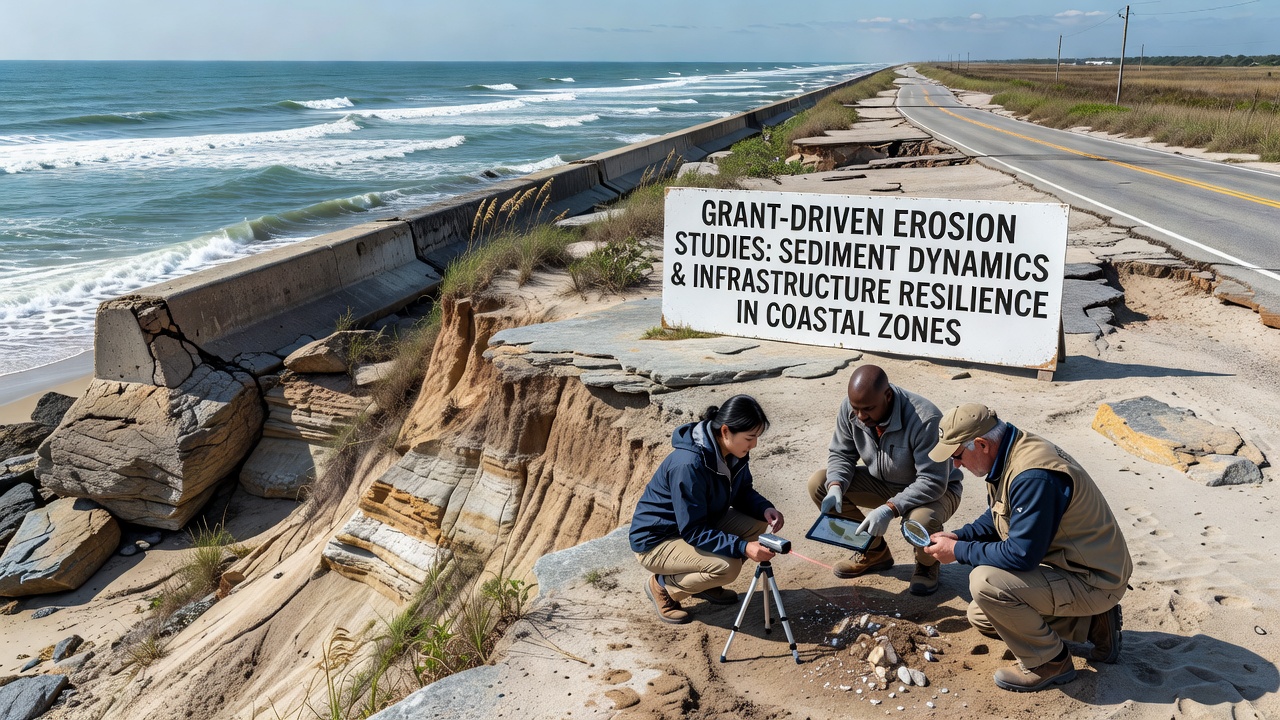
Sediment dynamics operate through several interconnected pathways that include wave-driven transport, tidal circulation, and episodic riverine inputs. Studies funded under recent grant cycles have quantified these pathways using high-resolution bathymetric surveys repeated at six-month intervals. Results reveal that infrastructure placed in sediment-starved zones experiences undercutting at rates up to three times higher than structures located near active sandbars or ebb-tidal deltas. Engineers have recorded corresponding increases in maintenance costs, with some facilities requiring additional toe protection within eight years of initial construction.
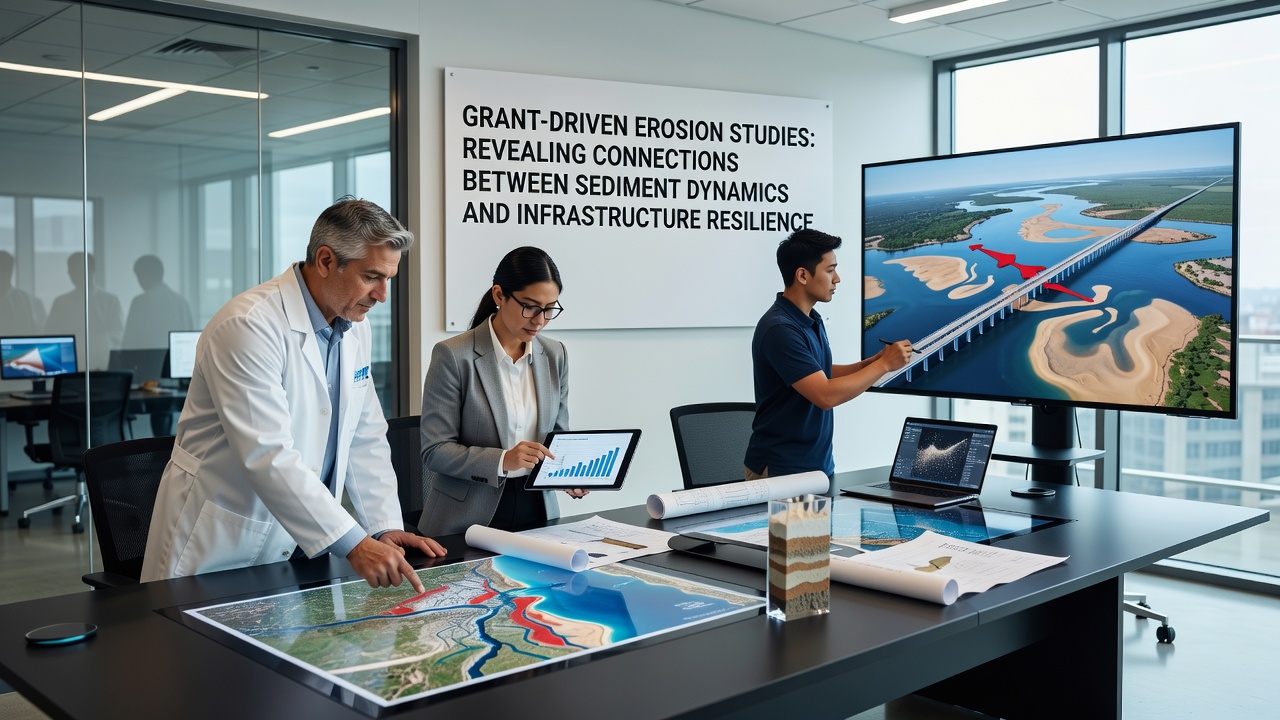
Researchers working in the Gulf of Mexico documented a direct relationship between reduced Mississippi River sediment delivery and accelerated shoreline retreat near port terminals. Similar patterns appear in Australian studies along the New South Wales coast, where altered sand budgets have prompted reevaluation of existing revetment designs. These findings emerge from datasets that combine satellite imagery with in-situ measurements collected over multiple tidal cycles, allowing teams to distinguish seasonal variability from longer-term trends.
Infrastructure Resilience Metrics
Resilience assessments now incorporate sediment-related variables alongside traditional structural load calculations. Grant recipients have developed indices that weight sediment balance against wave energy exposure and material degradation rates. When these indices fall below established thresholds, agencies schedule targeted interventions such as beach nourishment or submerged breakwater installation. Data from Canadian Atlantic ports indicate that proactive sediment management extends service life by an average of twelve years compared with reactive repair approaches.
October 2026 marks the release window for several multi-year syntheses that aggregate findings from more than thirty grant-supported sites. Organizers plan to present consolidated datasets at an international coastal science meeting, where participants will compare methodologies used across different regulatory environments. The emphasis remains on empirical relationships rather than prescriptive recommendations, allowing individual jurisdictions to adapt results to local conditions.
Conclusion
Grant-driven erosion studies continue to map connections between sediment dynamics and infrastructure performance through sustained observation and standardized measurement protocols. Evidence accumulated to date shows that sediment supply variations exert measurable influence on structural longevity in coastal settings. Continued monitoring through 2026 and beyond will refine these relationships, providing agencies with additional quantitative tools for planning and maintenance decisions across varied geographic contexts.