Ines Washington · 2 September 2026
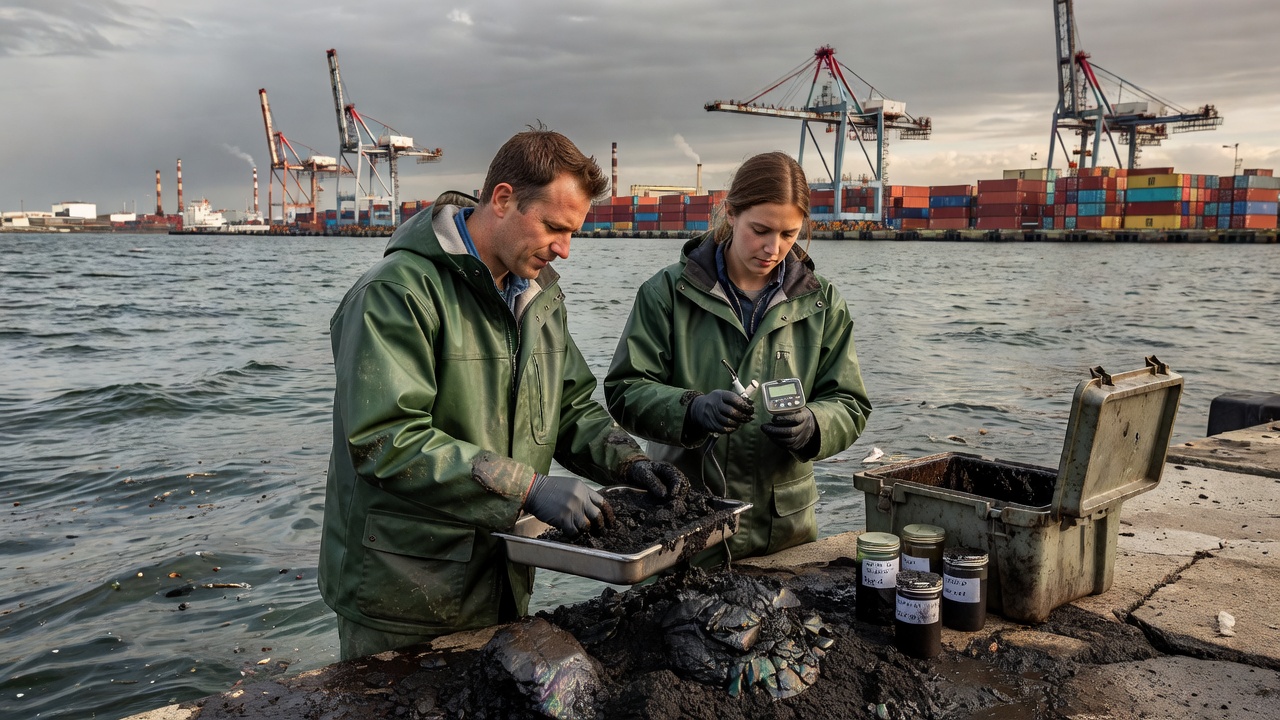
Harbor Laboratory researchers have completed a comprehensive analysis of sediment samples from multiple coastal harbors, uncovering significant trends in pollution levels over the past decade. The research, conducted over 18 months, involved collecting over 200 samples from depths ranging from 1 to 5 meters using advanced coring equipment.
Analysis of Heavy Metal Concentrations
The study examined sediments from 12 harbor sites, measuring concentrations of lead, mercury, and cadmium. Results indicate a 25% reduction in lead levels compared to 2013 data, attributed to stricter regulations on industrial discharges. However, mercury levels have remained stable in urban harbors, suggesting ongoing sources from legacy pollution. Cadmium showed a slight increase in industrial zones, prompting further investigation into agricultural runoff contributions. Researchers utilized core sampling techniques to date sediment layers, allowing reconstruction of pollution histories. This method revealed peaks in contamination during the 1970s and 1980s, followed by gradual declines. Statistical analysis confirmed the trends with high confidence intervals, ruling out sampling variability.
Emerging Concerns with Microplastics and Organic Pollutants
In addition to traditional contaminants, the team identified rising levels of microplastics in surface sediments. Average concentrations reached 450 particles per kilogram in the most affected areas, primarily from urban runoff and shipping activities. Organic pollutants such as PAHs showed mixed trends, with some harbors experiencing increases due to increased vessel traffic. The presence of PFAS compounds was also noted, raising concerns about long-term persistence in the environment. These findings underscore the need for continued monitoring and adaptive management strategies. Harbor Laboratory plans to expand the study to include more sites and integrate modeling for future projections. The data will inform local authorities on remediation priorities to protect marine ecosystems and human health. Collaborative efforts with environmental agencies are underway to develop targeted cleanup protocols based on these insights. Overall, the research provides valuable baseline data for assessing the effectiveness of pollution control measures implemented in recent years. Future studies will focus on biological impacts on benthic organisms to better understand ecosystem recovery rates.